A stormwater utility fee is a periodic charge on a property, set against the runoff that property sends to the public drainage system. It is not a tax on the value of the property and it is not a charge for water used. It is a charge for a service measured in area and in flow.
Stormwater utility fee: the charge on the runoff a property sends
period FY2026 · Q3 — closes 2026-09-30folio 101recast the figures above move with the periodkept by The Scupper Ledger (a named ledger, not a person)
What the fee pays for
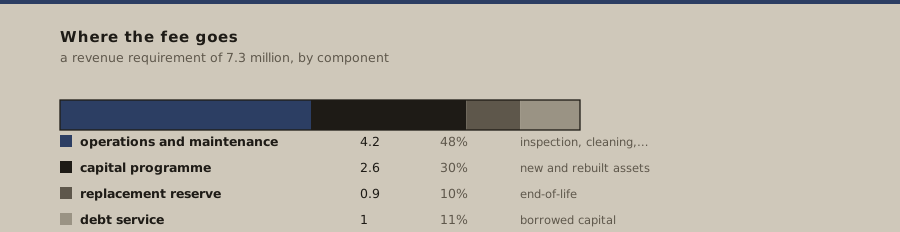
Three things, and a rate study separates them because each one moves for a different reason. Operations and maintenance covers inspection, cleaning, mowing, inlet repair and the permit obligations the system carries. Capital covers new and rebuilt assets, usually through a multi-year programme. The reserve covers replacement, and it is the line most often left out of a first study.
| Component | What it covers | How it moves |
|---|---|---|
| operations and maintenance | inspection, cleaning, repair, permit work | with wages, fuel and acreage |
| capital | new and rebuilt assets | with the programme, in steps |
| replacement reserve | end-of-life replacement | with asset age |
| debt service | repayment of borrowed capital | fixed by the bond |
What the fee is not
It is not ad valorem, so it does not rise with the assessed value of a building. It is not a water rate, so it does not fall when a household conserves water. And it is not a permit fee, although the same department often collects both. Those three distinctions decide whether a jurisdiction can lawfully create the charge at all, and they are the first thing a legal review asks.
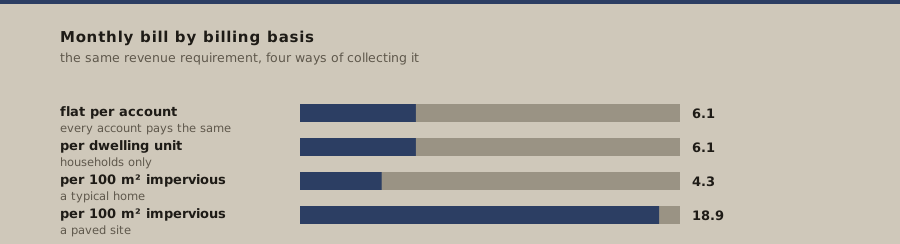
The practical consequence is that a stormwater fee is charged to properties that send runoff, whether or not they take water from the system. A large paved site with no water meter still owes it, and a vacant lot may owe a small amount. That is the feature that makes the fee defensible and the feature that makes it unpopular.
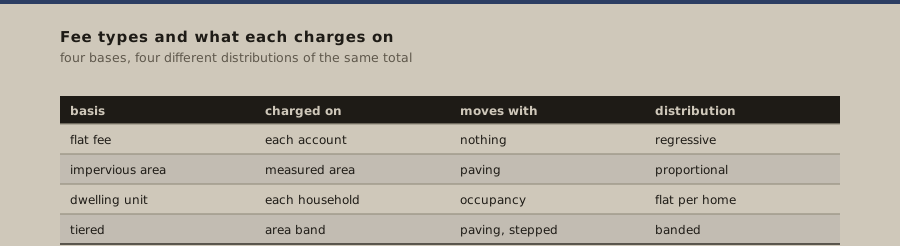
A stormwater utility fee is not the same as a stormwater tax, and a special assessment is not the same as either. A fee is charged for a service, a tax is levied on value, and an assessment is charged against the properties that benefit from a specific improvement. The three have different legal tests and different revenue behaviour.
Where the definition stops
This page defines the fee. The billing basis is owned by the impervious area page, the reduction for on-site control by the credit page, and the procedure for setting the amount by the rate-setting posting. Nothing here is repeated there.
Documents posted to this account
- 01Types of Stormwater Feessupports the classification of stormwater fee types that this table follows
- 02Fee Structures | CT NEMO Program, University of Connecticutsupports the fee structure descriptions and the billing basis used above
- 03Typical Steps in Calculating a Potential Stormwater Feesupports the sequence of steps a jurisdiction follows to calculate a fee
Each line points at one specific document, with its own title as the link text. No line is a home page and no line is a search result.
ruled off Rule it off and stop Rule it off and stop once you know the revenue requirement and the billed area. The fee is those two divided.